



Climate change and water supply are among the greatest global challenges of the 21st century. Rising temperatures, shifting precipitation patterns, and more frequent extreme events are leading to water scarcity, droughts, and floods worldwide. For billions of people, access to clean drinking water is becoming increasingly uncertain. Water is not only essential for health and hygiene, but also for food production, energy, industry, and economic stability. When this resource comes under pressure, it affects nearly every aspect of human life.
According to the World Health Organization (WHO), around 2.2 billion people worldwide do not have safely managed access to clean drinking water. This is not only a matter of absolute scarcity, but also of quality, reliability, and accessibility. In many regions, water is available, but contaminated, seasonally unreliable, or not accessible to the population. Climate change further exacerbates this situation by affecting both the availability and the quality of water.
How climate change is altering the global water cycle
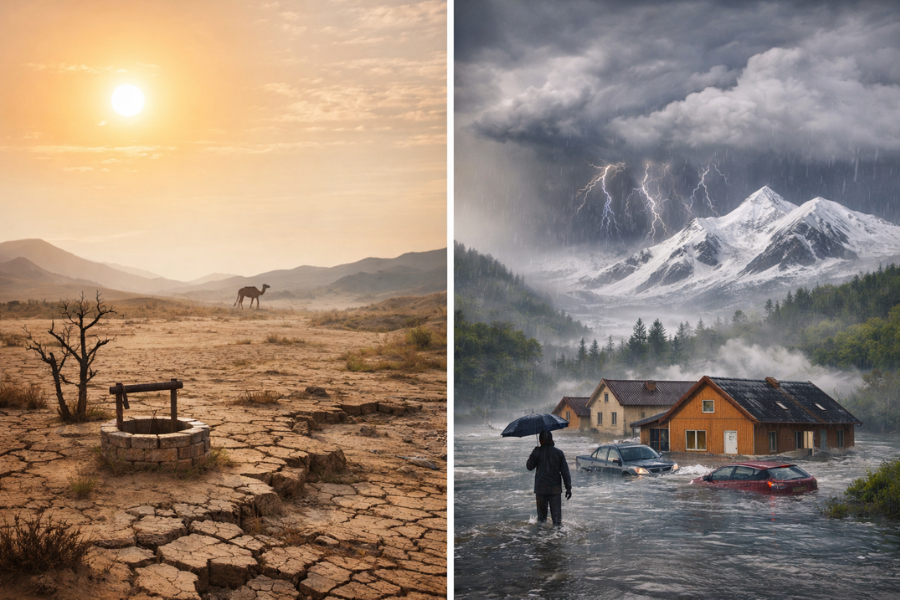
Global warming directly affects the water cycle. Warmer air can hold more moisture, leading to increased evaporation, precipitation, and more frequent extreme weather events. At the same time, rainfall patterns, monsoons, and snow lines are shifting. Regions that traditionally had sufficient water are increasingly experiencing dry periods, while others are more frequently affected by heavy rainfall.
This shift leads to an uneven distribution of wateracross time and space. It increasingly occurs in large volumes over short periods, rather than being spread evenly over longer durations.
Soils are often unable to absorb these volumes of water, leading to flooding, while groundwater reservoirs are barely replenished. During dry periods, water is then lacking, even though heavy rainfall may have occurred beforehand.
This effect is particularly evident in regions with seasonal rainfall, such as parts of Africa and Asia. When these rains fail or shift, agriculture, drinking water supply, and energy production come under pressure. The Intergovernmental Panel on Climate Change (IPCC) points out that extreme events such as droughts and heavy rainfall are very likely to increase further.
Droughts and water scarcity are increasing worldwide
Drought periods are among the most visible impacts of climate change on water supply. In many regions, dry spells are becoming longer and more intense. Particularly affected are parts of Africa, the Middle East, Southern Europe, Australia, and western regions of North America.
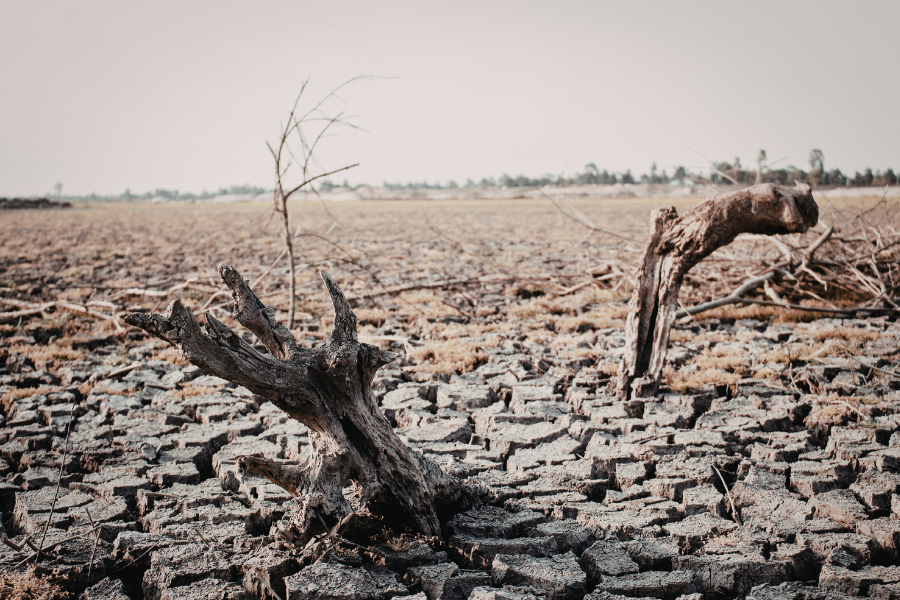
When rainfall is absent for months or even years, river levels and groundwater tables decline. Reservoirs lose volume, and agricultural yields drop significantly. At the same time, water demand increases due to higher temperatures, for example for irrigation or cooling. In such situations, households often rely on unsafe water sources, increasing health risks.
The United Nations warns that by 2030, around half of the world’s population could be living in regions affected by water scarcity. Water stress is increasingly becoming a geopolitical issue, as conflicts over water resources become more likely and migration from water-scarce regions increases.
Heavy rainfall, flooding, and contaminated drinking water
While droughts reduce the available water supply, extreme rainfall leads to a different problem: contaminated water. Flooding can contaminate wells, pipelines, and storage systems. Wastewater, industrial chemicals, and pathogens can enter drinking water systems, making the water undrinkable or even hazardous.
After major floods, outbreaks of waterborne diseases such as cholera, typhoid, and diarrhea often occur. Children, older adults, and people with weakened immune systems are particularly vulnerable. In addition, infrastructure and supply systems are damaged, meaning that even clean water can no longer be reliably distributed.
The World Health Organization emphasizes that safe water, sanitation, and hygiene systems are essential to prevent health crises after natural disasters.
Glacier melt and long-term risks to water supply
Glaciers and snowpacks act as natural water reservoirs. They store precipitation in winter and release it as meltwater in summer. Millions of people depend on this seasonal supply, particularly in regions such as the Himalayas, the Andes, and parts of Central Asia.
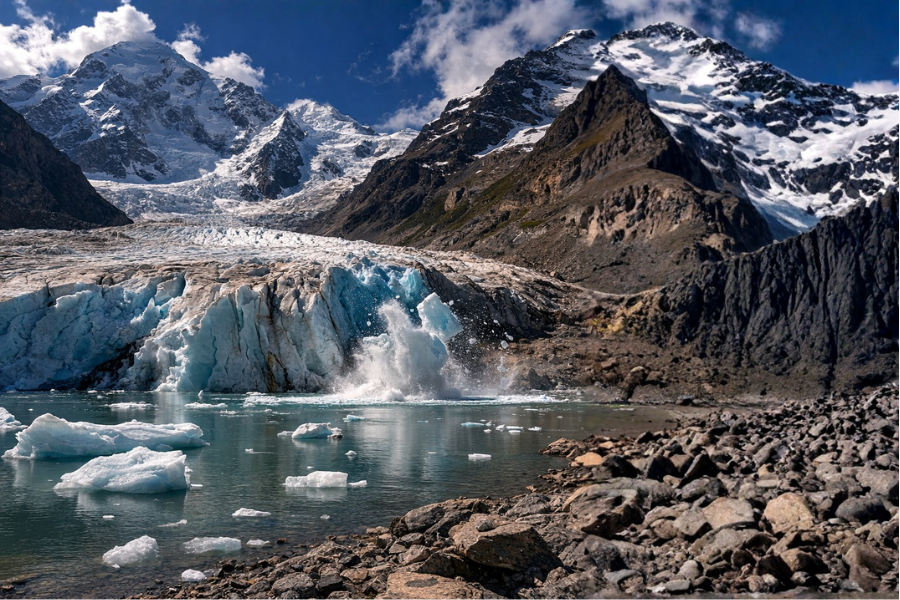
However, due to rising temperatures, glaciers are melting faster than they can regenerate. In the short term, this can lead to increased water runoff and flooding. In the long term, however, the available water supply declines permanently once glaciers have significantly shrunk or disappeared entirely.
This trend is also evident in Europe, particularly in the Alps. Glaciers are continuously losing mass, which can have long-term impacts on rivers, hydropower generation, and drinking water supply.
Sea level rise and salinization of freshwater
In coastal regions, rising sea levels pose an additional threat. Saltwater intrudes into groundwater, rendering freshwater sources unusable. This process particularly affects island nations, river deltas, and low-lying coastal areas with high population density.
Salinization affects not only drinking water, but also agriculture and ecosystems. In some regions, communities must move their water sources further inland or rely on costly treatment technologies.
South Africa 2026: When water management becomes a national crisis
A particularly current example of the impacts of climate change, infrastructure challenges, and growing demand is South Africa.The country is among the driest regions in the world and is highly dependent on irregular rainfall. At the same time, the water infrastructure is suffering from decades of underfunding and maintenance deficits and in some cases also from mismanagement.
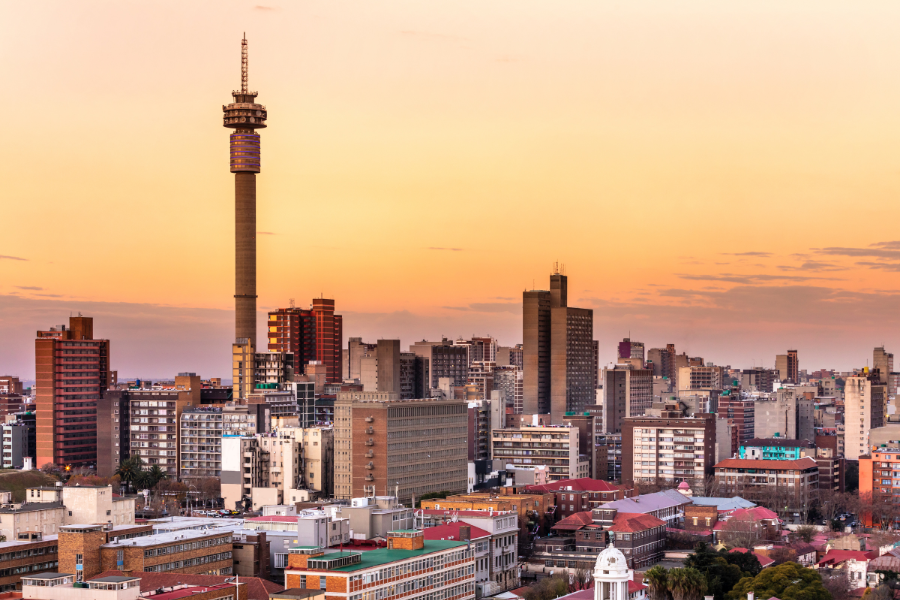
In 2026, several major cities, including Johannesburg and parts of Gauteng Province, already reported severe supply problems. Households in some cases had to go without running water for days. The causes were not only drought periods, but also power outages, faulty pumping stations, water losses due to leakages, and contaminated reservoirs.
The problem is multifaceted: even when sufficient water is available in reservoirs, it does not always reliably reach the population. High losses in the distribution network, illegal connections, and inadequate maintenance further exacerbate the situation. At the same time, water demand is increasing due to urbanization and population growth.
South Africa exemplifies that water crises are not caused solely by climate factors. Environmental changes, infrastructure deficits, and political factors often interact. As a result, water becomes a central risk for economic development, public health, and social stability.
Impacts on cities, the economy, and infrastructure
Urban water supply systems were largely designed for stable climatic conditions. Extreme weather events and growing populations are increasingly pushing these systems to their limits. Water restrictions, supply disruptions, and rising costs for treatment and distribution are the result.
Industry and energy supply are also highly dependent on water. Power plants require cooling water, industrial processes need large amounts of clean water, and agriculture is not possible in many regions without irrigation. The World Bank therefore identifies water scarcity as one of the greatest risks to global economic development.
Water, health, and social stability
Unreliable access to clean water significantly increases the risk of disease. Contaminated water and inadequate sanitation are among the leading causes of preventable deaths worldwide. According to UNICEF, hundreds of thousands of children die each year from diarrheal diseases directly linked to contaminated water and poor hygiene.
Furthermore, water availability also affects education, employment opportunities, and social development. When households have to travel long distances each day to collect water, time and energy for school or work are lost.
Read more: World Water Day 2026: Water is Life – and a Daily Struggle for Survival For Millions of Women
Why sustainable water management is becoming increasingly important
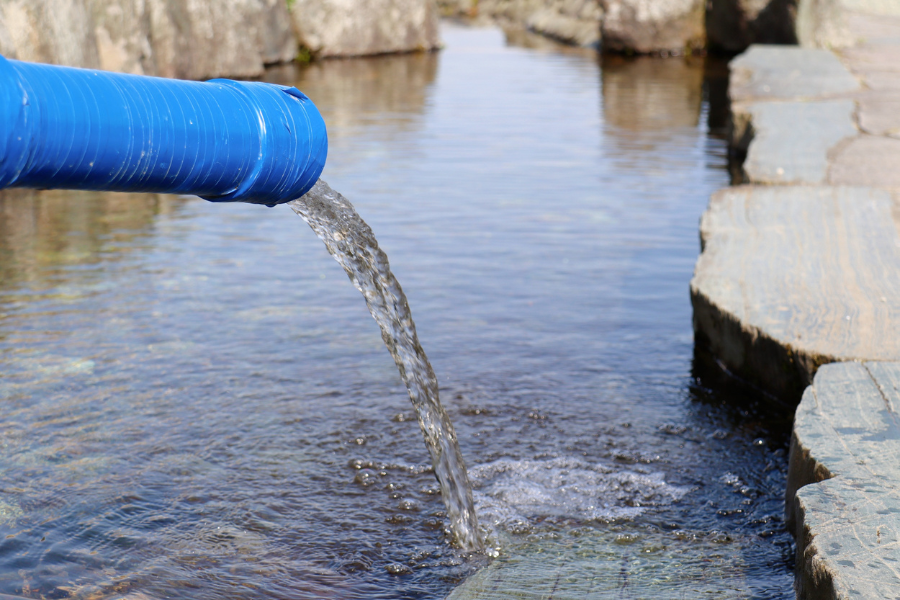
In the face of population growth, urbanization, and climate change, pressure on global water resources is increasing. Sustainable water management therefore includes not only the protection of existing sources, but also efficient use, reuse, and adaptation to new climatic conditions.
Key approaches include the protection of groundwater, the modernization of infrastructure, the reduction of water losses, and the integration of climate risks into planning processes. At the same time, technological solutions for water treatment and disinfection are becoming increasingly important, as they can help make existing water resources safer and more efficient to use.
The sustainability aim of United Nations Sustainable Development Goal 6 (SDG 6) explicitly calls for access to clean water and sanitation for all people, thereby underscoring the importance of innovative technologies for a sustainable water supply.
Innovative water technology from pro aqua for sustainable water management
In this context, we at pro aqua develop sustainable solutions to treat water more efficiently and without additional chemicals. As a high-tech company based in Styria, we develop and manufacture boron-doped diamond electrodes (BDD) and electrochemical systems that enable the oxidative degradation of pollutants, microorganisms, and organic contaminants directly in the water. Our technologies are primarily used in B2B sector , for example, in the treatment of process water or highly contaminated industrial water. Through a chemical-free approach and the efficiency of the electrochemical process, we help protect existing water resources and ensure water quality in the long term.
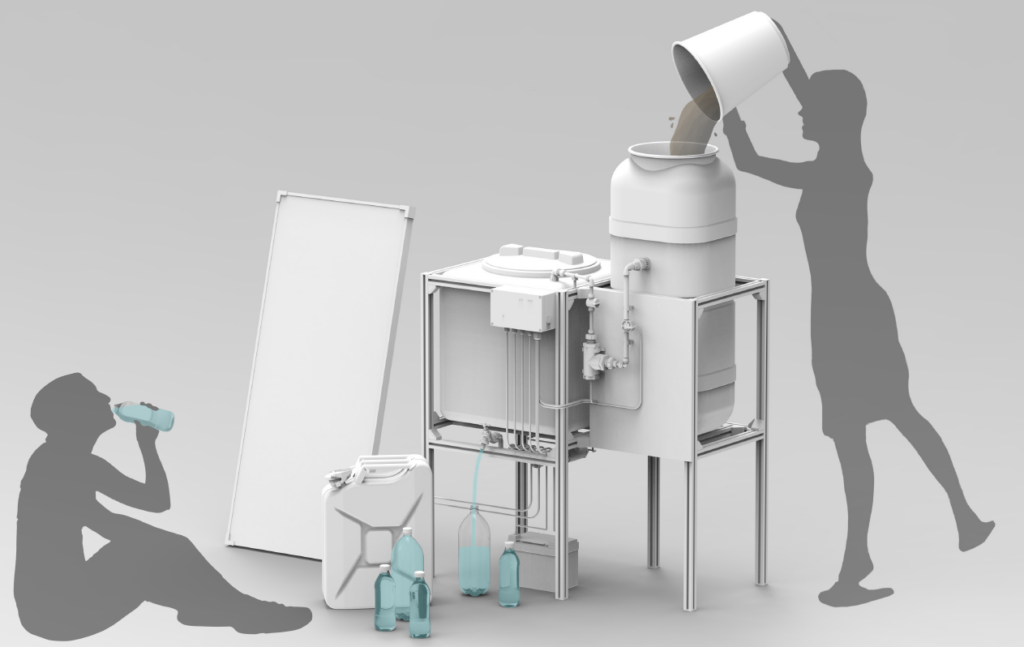
One example of this commitment was our project DWDU Africa (Drinking Water Disinfection Unit), in which we developed a decentralized, solar-powered solution for drinking water disinfection that serves approximately 100 liters of safe drinking water per day and can supply several households in regions with limited infrastructure.
Read more: How Technology Takes Responsibility: Focusing on DWDU Africa
Conclusion: Water is becoming a key resource of the future
Climate change is not only altering temperatures and weather patterns, but also directly threatening the global water supply. Both increasing water scarcity and extreme flooding threaten the availability of clean drinking water and, with it, health, food security, and economic stability.
The example of South Africa shows how quickly a combination of climate change, growing demand, and infrastructure challenges can lead to a serious supply crisis. Similar developments can be observed in many regions of the world.
Water is therefore increasingly becoming a strategic resource – locally, nationally, and globally. The sustainable management of this resource will largely determine how societies cope with the impacts of climate change and whether future generations will have access to safe drinking water.
Sources
https://www.who.int/news-room/fact-sheets/detail/drinking-water
https://www.ipcc.ch/report/ar6/wg2
https://www.unwater.org/water-facts/water-scarcity
https://www.who.int/health-topics/water-sanitation-and-hygiene-wash
https://www.unesco.org/en/climate-change/water-security
https://www.un.org/en/climatechange/science/impacts
https://www.worldbank.org/en/topic/water
https://data.unicef.org/topic/water-and-sanitation/drinking-water
https://www.un.org/sustainabledevelopment/water-and-sanitation
The visual content (images and graphics) used in this article was created using Canva and AI-based tools. DWDU Africa visuals: GreenWorldTecknology, Jack Coker